
Can You Tattoo Over Laser Removal?
Tattoos are a form of self-expression, storytelling, and art. However, as personal tastes evolve or life circumstances change, many individuals find themselves regretting some of their ink. Fortunately, laser tattoo removal offers a solution for those wishing to erase or fade existing tattoos. But what if, after going through the removal process, someone wishes to get a new tattoo in the same spot? The question of whether you can tattoo over laser removal is a common one. The simple answer is yes, but it requires careful consideration, patience, and proper aftercare to achieve the best possible results. In this blog, we will explore the process of tattooing over laser removal, the factors to consider, and the best practices to ensure a smooth, successful outcome.
Understanding Laser Tattoo Removal
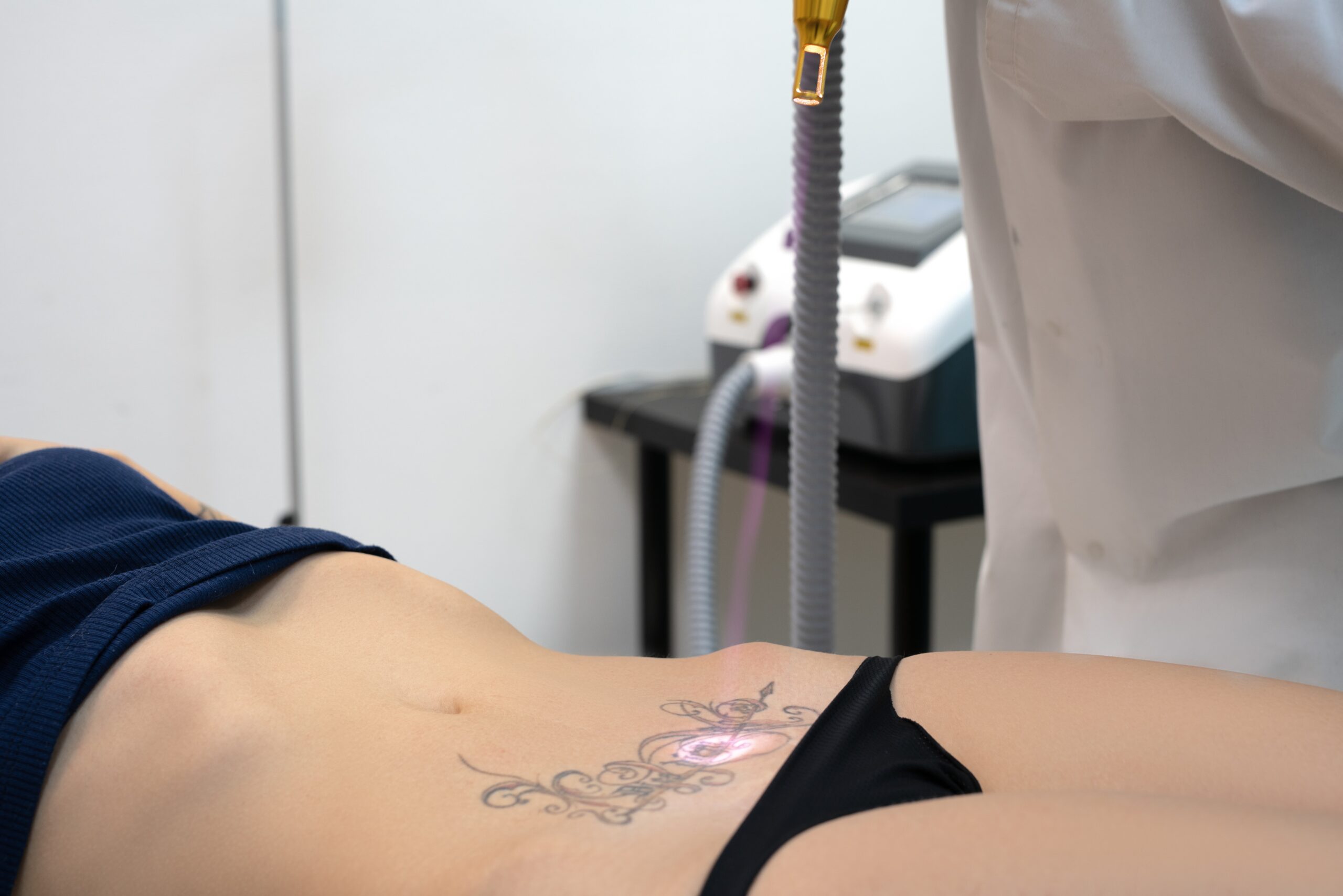
Laser tattoo removal uses advanced technology to break down tattoo ink particles embedded in the skin. High-intensity laser beams target the ink, fragmenting it into smaller pieces that the body’s immune system gradually eliminates. The process is effective, but it does not always guarantee complete removal. Fading is more common, particularly with older or amateur tattoos. The effectiveness of laser removal depends on several factors, including the ink colour, the depth of the tattoo, and individual skin characteristics. Black ink, for instance, absorbs all wavelengths of laser light and is therefore the easiest to remove. Colours like green, blue, and yellow can be more challenging and may require additional sessions. Multiple treatments are often necessary, with intervals of several weeks between sessions to allow the skin to heal properly. When performed by trained professionals using modern equipment, laser tattoo removal is generally safe and effective. However, the skin needs time to recover fully before undergoing a new tattoo application.
Can You Tattoo Over Skin After Laser Removal?
Tattooing over skin that has undergone laser removal is possible, but the success of the process largely depends on how well the skin has healed and how effectively the ink was removed. In many cases, individuals opt for tattoo removal not because they want completely bare skin, but because they plan to replace the existing tattoo with a new design. Laser removal can lighten or fade an old tattoo, providing a cleaner canvas for a new design. This approach is particularly useful when a cover-up tattoo is desired but the original ink is too dark or prominent for the new design to be applied successfully. The key to tattooing over previously treated skin is patience. Rushing the process can increase the risk of complications, such as scarring, uneven ink distribution, or prolonged healing.
How Long Should You Wait Before Getting a New Tattoo?
Timing is crucial when considering a new tattoo after laser removal. The skin needs time to heal completely and to allow any residual inflammation to subside. Most professionals recommend waiting a minimum of eight to twelve weeks after the final laser session. In some cases, if the skin shows signs of irritation or if deeper layers were affected, a longer waiting period may be necessary. During the healing process, the skin undergoes several stages of regeneration. Initially, there may be redness, swelling, or mild blistering. As the weeks progress, the skin begins to rebuild its structure and texture. Only when the skin appears smooth, free from irritation, and with even pigmentation should a new tattoo be considered. A professional tattoo artist will assess the skin’s condition before proceeding with a new design. If there are any concerns about the integrity of the skin, they may recommend additional healing time to avoid complications.
Factors to Consider Before Tattooing Over Laser Removal
Tattooing over treated skin presents some unique challenges, and several factors must be taken into account before proceeding with the new tattoo. The first consideration is skin texture. Laser tattoo removal, particularly if multiple sessions were required, can sometimes alter the skin’s texture. Scarring or uneven skin surfaces may occur if the skin did not heal properly or if the tattoo was exceptionally deep. While most changes are minor, these irregularities can affect the way new ink is absorbed and how the final tattoo appears. Another critical factor is the level of ink removal achieved. If the tattoo was only partially faded to allow for a cover-up, the new design must be carefully planned to conceal any remaining ink. In some cases, certain colours or patterns may still be visible beneath the new tattoo if the fading was insufficient. Skin sensitivity is also an important consideration. Skin that has undergone laser treatment may become more sensitive, making the tattooing process more uncomfortable than on untreated skin. Choosing a skilled tattoo artist experienced with cover-up tattoos and working on previously lasered skin can make a significant difference in the overall experience and result.
Choosing the Right Tattoo Artist
Selecting the right tattoo artist is essential when tattooing over laser-treated skin. Not all tattoo artists are familiar with the intricacies of working on previously treated areas, so it is crucial to find someone with experience in cover-ups and skin that has undergone laser removal. A reputable tattoo artist will conduct a thorough consultation to assess the skin, discuss the desired design, and address any potential concerns. They will also advise on the feasibility of the chosen design based on the skin’s condition and the extent of ink removal. It’s beneficial to view the artist’s portfolio, paying particular attention to any cover-up work they have completed. An experienced artist will know how to utilise shading, colour theory, and strategic placement to achieve a successful result, even on skin that has been treated with lasers.
Design Considerations for a Tattoo Over Laser Removal
Design choices play a significant role in the success of tattooing over laser-treated skin. Certain styles, colours, and techniques are more effective when working on skin that has been through the removal process. Bold designs with strong lines and vibrant colours often work better than delicate, intricate patterns. The new tattoo must be able to mask any residual ink or slight textural changes in the skin. Watercolour tattoos or designs with subtle gradients may not provide sufficient coverage, particularly if the old tattoo was only partially faded. The location of the tattoo can also influence the design decision. Areas with thinner skin, such as the wrists, ankles, and ribs, tend to experience more noticeable changes during laser removal, which may limit the complexity of the new design. Collaborating closely with the tattoo artist ensures that the chosen design is both aesthetically pleasing and suitable for the treated skin.
Aftercare for Tattoos Over Laser-Treated Skin
Proper aftercare is essential to ensure the new tattoo heals correctly and maintains its vibrancy. The skin, having already undergone stress from the laser removal process, requires extra care to avoid complications. Following the tattoo artist’s aftercare instructions is crucial. The skin should be kept clean, moisturised, and protected from direct sunlight during the healing process. Excessive sun exposure can cause the ink to fade prematurely and may result in hyperpigmentation, especially on skin that has recently undergone laser treatment. Hydration and overall skin health also contribute to successful healing. Drinking plenty of water, maintaining a balanced diet, and using recommended skincare products can promote faster recovery and better tattoo outcomes.
Common Misconceptions About Tattooing Over Laser Removal
There are several misconceptions surrounding the process of tattooing over laser-treated skin. One of the most common is the belief that laser removal leaves the skin permanently damaged or unfit for future tattoos. In reality, when performed by trained professionals using modern equipment, laser removal typically results in minimal long-term damage. The skin, given sufficient time to heal, can provide an excellent canvas for new artwork. Another misconception is that complete tattoo removal is necessary before getting a new tattoo. In many cases, fading the old tattoo to create a lighter background is sufficient for a successful cover-up. Total removal is often only required when the new tattoo design is significantly different from the original or when the original tattoo was heavily saturated with ink. Some also assume that tattooing over laser-treated skin is significantly more painful. While the area may be more sensitive due to the previous laser treatments, modern tattooing techniques and pain management options can help make the experience manageable.
Conclusion
Tattooing over laser removal is not only possible but often a practical solution for those wishing to replace or refresh old body art. The success of the process hinges on proper laser removal, adequate healing time, and careful consideration of the new tattoo design. Consulting with experienced professionals, both for the laser removal and the tattooing, is essential to achieve the best results. Patience is key throughout the process. Allowing the skin ample time to recover ensures that it remains healthy and receptive to new ink. With the right approach, tattooing over laser-removed skin can provide a fresh, vibrant design that successfully replaces an unwanted tattoo, offering a new opportunity for artistic expression. Contact our team at Pro Laser Clinic for more information.