
Does Laser Tattoo Removal Hurt?
Tattoos have long been a way for people to express their individuality, commemorate important life events, or simply appreciate body art. However, as life changes, so too can our feelings about the ink we once loved. Whether it’s a name that no longer holds meaning, an outdated design, or simply a desire for a fresh start, tattoo removal has become an increasingly popular solution. Laser tattoo removal is the most effective method for erasing unwanted tattoos, but many people hesitate due to one pressing concern: does it hurt? Pain is subjective, and the experience varies from person to person, but understanding how laser tattoo removal works and what to expect can help manage expectations.
How Does Laser Tattoo Removal Work?
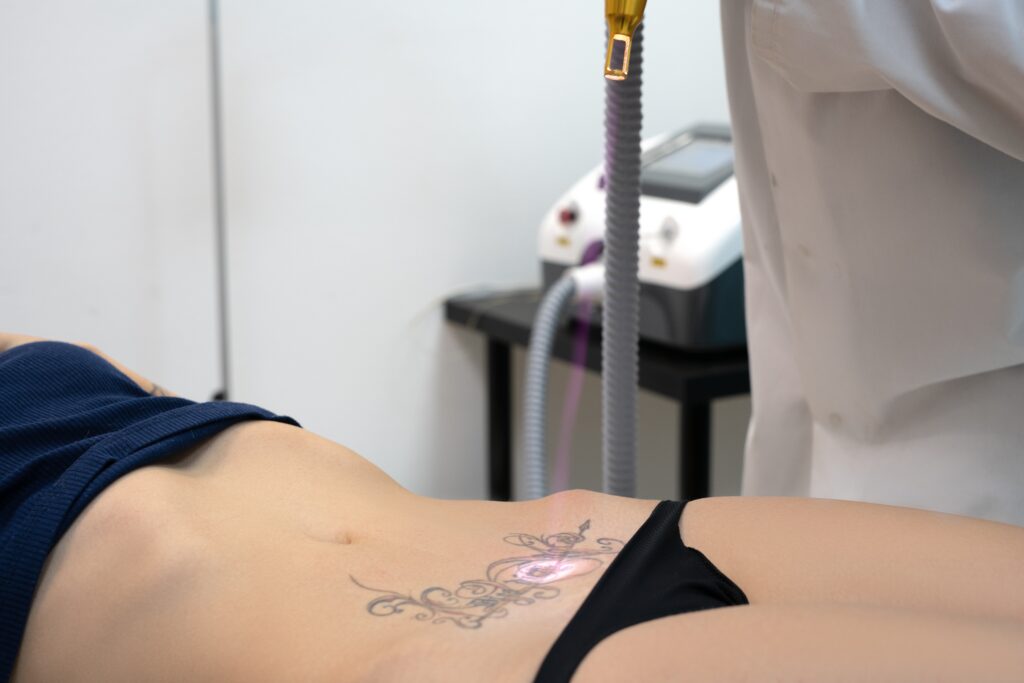
Laser tattoo removal relies on advanced technology to break down tattoo ink beneath the skin. The process uses highly concentrated beams of light that penetrate the skin and target the pigment. The ink particles absorb this energy and shatter into smaller fragments, which are then naturally processed and eliminated by the body’s immune system. Different wavelengths of laser light are used depending on the colour of the tattoo ink. Darker colours, such as black and blue, are generally easier to remove because they absorb all wavelengths, while lighter colours like yellow and green can be more challenging. The process requires multiple sessions, spaced weeks apart, to allow the body time to clear the fragmented ink. The effectiveness of laser tattoo removal depends on several factors, including the age of the tattoo, the depth of the ink, the type of laser used, and individual skin type.
What Does Laser Tattoo Removal Feel Like?
One of the most common concerns about laser tattoo removal is the pain level. Some people describe it as similar to being snapped with a rubber band repeatedly, while others compare it to tiny hot pricks on the skin. The sensation can also be likened to the feeling of getting a tattoo, though some find removal more uncomfortable due to the intensity of the laser pulses. Pain tolerance varies from person to person, and factors such as tattoo placement, skin sensitivity, and individual threshold for discomfort play a role. Areas with more nerve endings, such as the ribs, fingers, and ankles, tend to be more painful compared to fleshier parts like the upper arm or thigh.
How Long Does the Pain Last?
The discomfort of laser tattoo removal is usually short-lived. The sensation occurs during the laser pulses, which last only a fraction of a second at a time. A session typically lasts anywhere from a few minutes to half an hour, depending on the size and complexity of the tattoo. After the procedure, the skin may feel tender, similar to a mild sunburn. Some people experience redness, swelling, and slight blistering, but these symptoms subside within a few days. Any lingering discomfort can typically be managed with cooling treatments, over-the-counter pain relief, and following aftercare instructions provided by the practitioner.
Methods to Reduce Pain During Laser Tattoo Removal
While laser tattoo removal is not entirely pain-free, several techniques can help minimise discomfort. Many clinics use cooling devices that blow cold air onto the skin before, during, and after the treatment to numb the area and reduce the sensation. Some practitioners offer numbing creams that can be applied to the skin beforehand to desensitise the treatment area. These topical anaesthetics take time to take effect and may not eliminate all pain, but they can make the experience more tolerable. For those with a low pain threshold, some clinics provide local anaesthetic injections to numb the area completely. However, these injections are not commonly used for smaller tattoos due to the added cost and discomfort of the injection itself. Keeping the skin well-hydrated, avoiding alcohol and caffeine before the session, and ensuring good overall health can also help improve pain tolerance.
Comparing the Pain of Tattoo Removal to Getting a Tattoo
A common question among those considering tattoo removal is whether the process hurts more than getting the tattoo in the first place. The answer depends on personal experience, but in many cases, people find that the removal process is more intense, though much quicker. Getting a tattoo involves continuous needle pricking over an extended period, often lasting several hours for larger pieces. In contrast, laser removal sessions are relatively short, with each pulse lasting milliseconds. However, because the laser energy targets the ink deep within the skin, it can create a stinging or burning sensation that some find sharper than the pain of a tattoo needle.
How Many Sessions Are Needed?
The number of laser sessions required for complete tattoo removal varies based on several factors, including the size, colour, location, and age of the tattoo. On average, most tattoos require between six and twelve sessions for significant fading or full removal. Sessions are typically spaced six to eight weeks apart to allow the skin to heal and the body to flush out the shattered ink particles. The time between treatments also helps reduce the risk of skin damage and scarring. Some people opt for fewer sessions if they are looking for significant fading rather than complete removal, especially if they plan to cover the tattoo with a new design.
The Psychological Impact of Laser Tattoo Removal Pain
Beyond the physical sensation, the decision to remove a tattoo can carry emotional weight. For some, it represents a fresh start or the erasure of a painful memory. For others, it can be a process of regret and frustration. The anticipation of pain can add to the emotional challenge, but many people find that once they begin the process, it is more manageable than expected. Understanding the science behind the procedure and knowing what to expect can help ease anxiety. Choosing a reputable clinic with experienced professionals also ensures that the treatment is conducted safely and effectively.
Alternatives to Laser Tattoo Removal
For those who find the idea of laser tattoo removal too daunting or painful, there are alternative options. Surgical excision is a method in which the tattooed skin is cut out and stitched together, though this is usually only viable for small tattoos and leaves a scar. Dermabrasion, a process that involves sanding down the skin to remove layers containing ink, is another option, though it is less commonly used today due to its invasive nature and longer recovery time. Cover-up tattoos are another alternative, where a new design is inked over the existing tattoo. This requires a skilled tattoo artist who specialises in cover-ups, as not all designs can be easily masked.
Is Laser Tattoo Removal Worth the Pain?
Ultimately, whether laser tattoo removal is worth the discomfort depends on the individual. Those who are deeply unhappy with their tattoo often find that the brief pain of removal is a small price to pay for the long-term satisfaction of clear skin. While the process can be uncomfortable, advancements in laser technology, pain management techniques, and proper aftercare have made it more tolerable than ever. For many, the prospect of living without an unwanted tattoo outweighs the temporary discomfort.
Factors That Influence the Pain of Laser Tattoo Removal
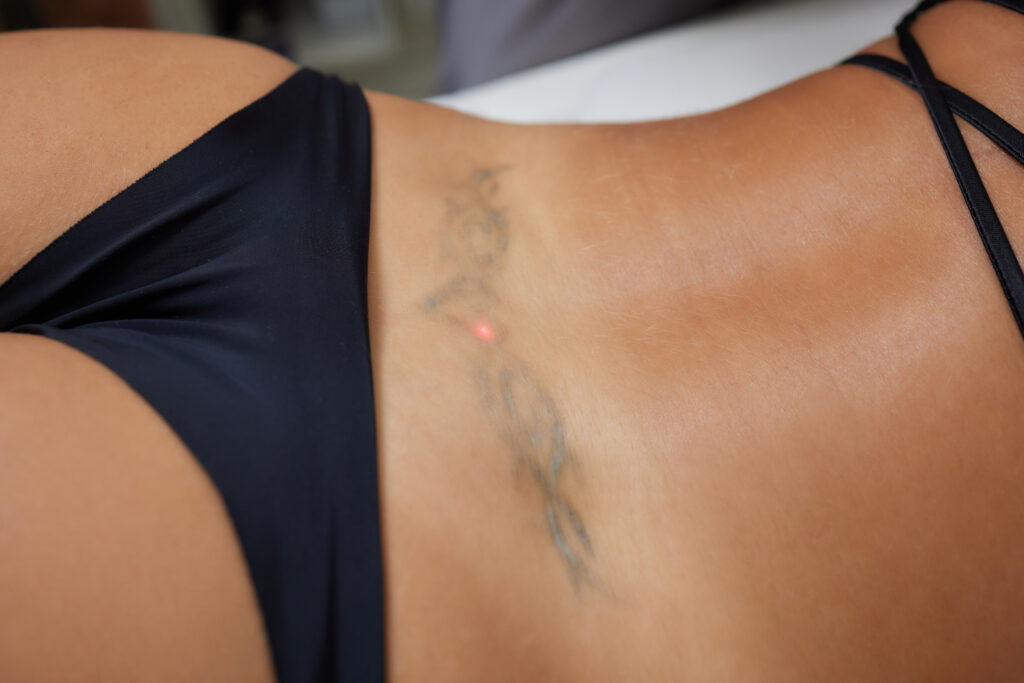
The level of discomfort experienced during laser tattoo removal is influenced by several factors beyond the location and size of the tattoo. One significant factor is the density and type of ink used. Professional tattoos, with their high-quality ink applied more deeply and evenly, often require more sessions and more laser energy, which can result in increased discomfort. In contrast, amateur tattoos, which are usually applied with less precision, may be easier and less painful to remove. Skin type also plays a role in the pain level experienced. People with fairer skin often find the procedure more tolerable as the laser can more easily distinguish the tattoo ink from the surrounding skin. Darker skin tones, however, require more specialised lasers to avoid damage to the skin’s natural pigment, potentially making the process more uncomfortable. Another influencing factor is the age of the tattoo. Older tattoos tend to fade naturally over time, making them easier and less painful to remove compared to newer tattoos with fresh, deeply embedded ink. The type of laser technology used can also make a difference. Modern lasers, such as Q-switched lasers and picosecond lasers, are more efficient at breaking down ink particles while causing less damage to the surrounding skin, thus reducing discomfort.
What to Expect After a Laser Tattoo Removal Session
The pain associated with laser tattoo removal does not necessarily end when the session is over. Once the treatment is complete, the skin in the treated area will likely feel sensitive and sore, similar to a mild to moderate sunburn. The skin may appear red and swollen, with some people experiencing blistering or scabbing. This is a normal part of the body’s healing process and indicates that the immune system is working to clear away the ink particles. During the initial 24 to 48 hours, applying a cold compress to the area can help alleviate discomfort. The clinic may also recommend the use of specific topical creams to soothe the skin and reduce inflammation. It is important to avoid picking at any blisters or scabs to prevent scarring. In the days following the treatment, it’s essential to protect the skin from sun exposure, as it becomes more vulnerable to damage. Wearing high-SPF sunscreen and keeping the area covered can help ensure optimal healing. While some discomfort may persist for a few days, it typically subsides quickly, especially when aftercare instructions are followed correctly.
Myths and Misconceptions About Laser Tattoo Removal Pain
There are several myths surrounding laser tattoo removal that can cause unnecessary fear and hesitation. One common misconception is that the procedure is excruciatingly painful for everyone. While the sensation can be uncomfortable, modern techniques and pain management strategies have significantly improved the experience. For many, the pain is manageable and much less intense than anticipated. Another myth is that darker tattoos are more painful to remove. In reality, black ink is the easiest colour to target with laser technology because it absorbs all wavelengths of light. Lighter colours like yellow, green, and blue are more challenging to remove and may require more sessions, but this does not necessarily translate into more pain. Some people also believe that tattoo removal inevitably results in severe scarring. When performed by trained professionals using modern laser technology, the risk of scarring is minimal. Pain levels can increase if the skin is not cared for properly during the healing process, but scarring is avoidable with proper aftercare. Laser tattoo removal can cause discomfort, but understanding the factors involved, knowing what to expect after each session, and separating fact from fiction can make the process far less daunting. For those seeking freedom from an unwanted tattoo, the short-term pain is often well worth the long-term satisfaction of clear, unmarked skin.
Conclusion
Laser tattoo removal is an effective and widely used method for erasing unwanted ink, but it does come with some level of discomfort. The sensation is often described as similar to a rubber band snap or hot pinpricks, and while it can be intense, it is also short-lived. Pain tolerance varies, but modern clinics offer various techniques to help make the process more manageable. For those considering tattoo removal, understanding what to expect and preparing accordingly can make all the difference. The decision to remove a tattoo is a personal one, but for many, the freedom of clear skin is well worth the temporary discomfort. Get in touch with the team of tattoo removal experts at Pro Laser Clinic to find out more.