
Tattoos have become an incredibly popular form of self-expression in the UK, with millions of people choosing to mark their skin with designs that hold personal meaning, aesthetic appeal or cultural significance. Yet as much as tattoos can feel permanent at the time, it is not uncommon for individuals to change their mind later. Whether it is due to lifestyle changes, career considerations, or simply falling out of love with a design, tattoo removal has become a sought-after option.
Tattoo removal, however, is not as straightforward as many might hope. The process requires time, patience and a proper understanding of how various factors can influence results. While technology has advanced rapidly, making laser tattoo removal safer and more effective than ever, there are still several elements that can impact how easy or difficult it is to remove a tattoo completely.
In this article, we will explore the key factors that determine tattoo removal difficulty and what you can realistically expect if you are considering undergoing the process in the UK.
The Role of Ink Colours
One of the most significant factors in tattoo removal is the colour of the ink used. Different colours absorb laser light at different wavelengths, meaning some shades are far easier to target and break down than others. Black ink tends to be the easiest to remove because it absorbs all wavelengths of laser light effectively. This makes it possible for the laser to shatter the ink particles more efficiently, allowing the body to flush them out through natural processes.
Lighter colours such as yellow, green and light blue often prove to be more stubborn. This is because they do not absorb laser energy as readily, requiring specific wavelengths of laser light to achieve results. Advances in technology, such as Q-switched and picosecond lasers, have improved the removal of these challenging colours, but patients should still be prepared for a longer treatment process when lighter shades are involved.
Red ink also presents its own challenges. While it is not as resistant as green or yellow, it can sometimes react differently depending on the specific pigments used. Some red inks contain compounds that may even darken temporarily when exposed to laser treatment, requiring additional sessions to correct.
The Depth of Ink Placement
Another crucial factor is how deeply the ink has been placed in the skin. Professional tattoo artists generally deposit ink more consistently and deeply into the dermis layer of the skin, while amateur tattoos often vary in depth. This difference has a direct impact on how the laser can access the pigment.
Deeper ink can be more difficult for the laser to reach effectively. This means professional tattoos, while often cleaner and more uniform in appearance, can actually take longer to remove compared to amateur tattoos. Amateur tattoos may fade more quickly during removal since their ink tends to be closer to the surface. However, this is not always guaranteed, as the uneven depth of amateur tattoos can sometimes create patchy results that require careful correction.
The Age of the Tattoo
The age of the tattoo plays a surprisingly important role in how easily it can be removed. Older tattoos typically fade more readily than newer ones because the body naturally breaks down ink particles over time. Sun exposure, skin cell turnover and the body’s immune response all contribute to this gradual fading process.
A tattoo that has already lightened over the course of several years is generally easier to remove than a fresh, vibrant design. By contrast, newer tattoos with concentrated pigment will usually require more sessions to achieve the desired results. This is something to bear in mind if you have recently had a tattoo and are already considering removal—it may take longer than you anticipate.
Tattoo Size and Design Complexity
The size and detail of the tattoo are also key considerations. A small, simple tattoo with a limited colour palette is naturally easier to treat than a large, intricate design that covers a wide area of skin. Larger tattoos require more time per session and will likely need a greater number of overall treatments.
Design complexity can also add to the challenge. Fine lines, shading and blending of colours may require the laser technician to adjust their approach, ensuring all areas are treated evenly. This careful process ensures that the tattoo fades consistently, rather than leaving behind faint outlines or patchy remnants.
Skin Type and Skin Tone
Your individual skin type and tone are highly relevant when it comes to tattoo removal. Darker skin tones contain more melanin, which also absorbs laser energy. This means technicians need to use more caution during treatment to avoid damaging the surrounding skin, which can increase the number of sessions required.
On lighter skin tones, the laser can focus more directly on the tattoo pigment with less risk of affecting the surrounding skin. However, skin sensitivity and healing capacity still play a role. Some people may experience redness, swelling or temporary discolouration after treatment, regardless of skin tone.
Skin type, as defined by the Fitzpatrick scale used in dermatology, helps guide practitioners in choosing the safest and most effective laser settings. Those with higher Fitzpatrick types (darker complexions) may require lower energy settings across more sessions to minimise risks of pigmentation changes, while those with lighter skin may be treated more aggressively with quicker results.
The Quality of the Ink
Not all tattoo inks are created equal, and the quality of the ink used in your tattoo can significantly affect removal difficulty. Professional-grade inks are designed to be vibrant and long-lasting, but this durability can make them more resistant to fading under laser treatment. On the other hand, lower-quality inks, which are sometimes used in amateur tattoos, may break down more easily.
In recent years, there has also been greater awareness around the different compounds found in tattoo inks. Some contain metals or unusual pigments that can complicate removal. For example, certain inks may change colour when exposed to laser treatment, temporarily turning grey or brown before gradually breaking down. This does not mean removal is impossible, but it does highlight the importance of working with an experienced clinic that understands how to manage these reactions.
The Body’s Natural Healing Response
Tattoo removal is not just about the laser—it also relies on the body’s own ability to clear out the fragmented ink particles. Once the laser breaks down the ink, it is the immune system that gradually processes and removes the pigment.
This means individual differences in immune response and overall health can influence tattoo removal success. Someone with a strong, efficient immune system may notice faster fading between sessions, while others may require more treatments. Factors such as hydration, circulation and lifestyle choices—like smoking—can all have an impact. Smoking, in particular, has been linked with slower tattoo fading, as it impairs circulation and healing.
Location of the Tattoo on the Body
Where the tattoo is located on the body can also affect removal outcomes. Tattoos closer to the heart and areas with stronger blood circulation generally fade more quickly. This is because the immune system can more efficiently carry away ink particles in areas with better blood flow.
Tattoos located on extremities such as hands, feet or ankles often take longer to fade, as circulation is less effective in these areas. Similarly, tattoos on areas with thicker skin, like the back or shoulders, may require additional treatments compared to tattoos on thinner-skinned regions.
The Technology Used for Removal
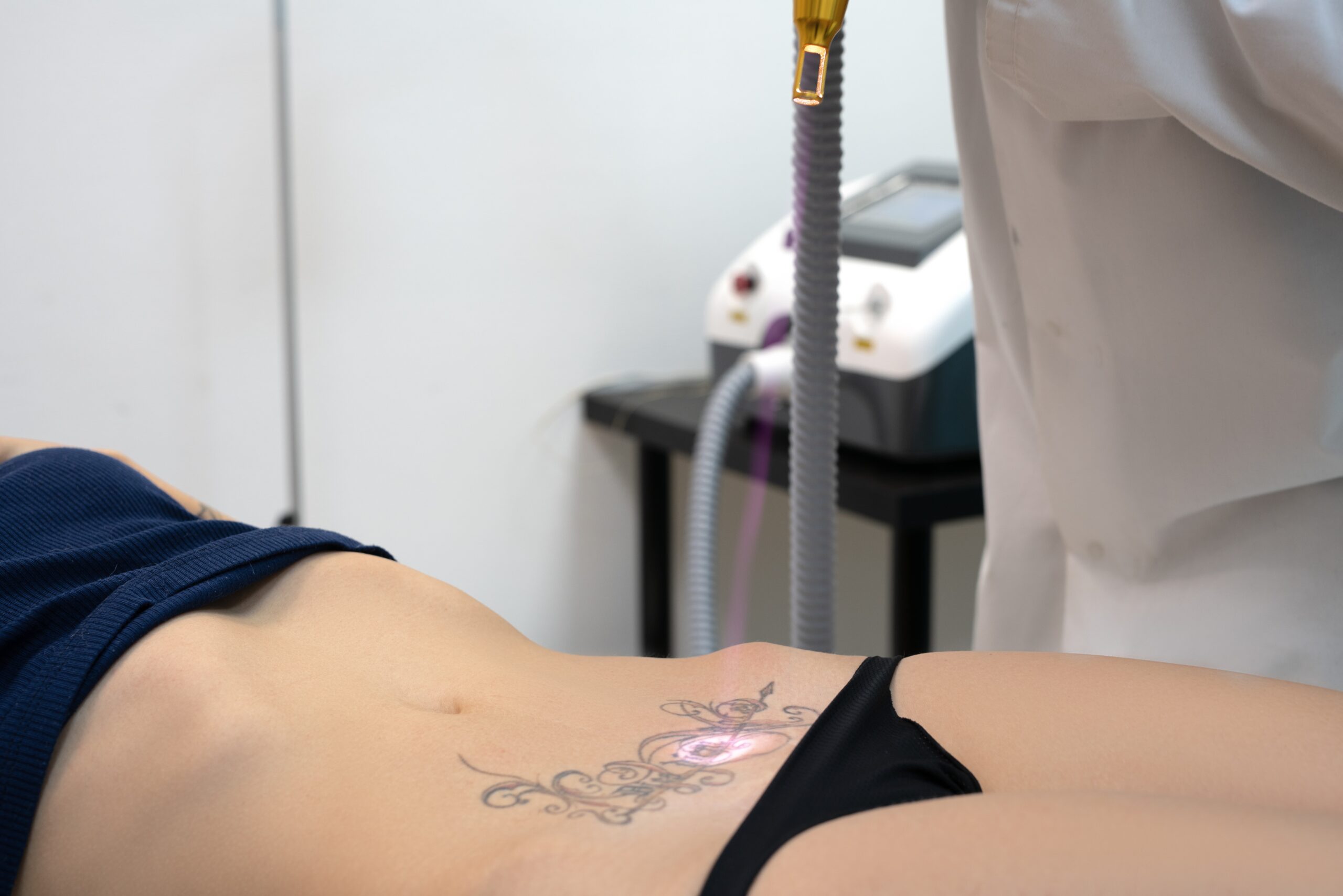
The type of laser technology used plays a pivotal role in how successful tattoo removal will be. Older laser systems were limited in terms of the wavelengths they could produce, which meant that certain ink colours were almost impossible to remove. Modern systems, however, such as Q-switched and picosecond lasers, are far more versatile and effective.
Picosecond lasers, for instance, deliver energy in extremely short bursts that shatter ink particles into even smaller fragments than traditional lasers. This allows the body to clear the ink more efficiently, often reducing the overall number of sessions needed. Choosing a reputable UK clinic with advanced technology can therefore make a significant difference to your tattoo removal journey.
Patient Commitment and Aftercare
Finally, one of the most overlooked yet vital factors is patient commitment to the process. Tattoo removal is not a one-session solution; it requires consistency, patience and proper aftercare. Following aftercare instructions, such as keeping the area clean, avoiding sun exposure and allowing the skin to heal properly between sessions, will all contribute to better results.
Skipping sessions, exposing the treated area to sunlight or neglecting aftercare advice can slow down progress or lead to complications such as scarring or pigmentation changes. By taking an active role in your treatment journey, you can help ensure the process is as smooth and effective as possible.
Final Thoughts
Tattoo removal in the UK is a growing field, and advances in technology mean that it is more achievable than ever before. However, it is important to recognise that a wide range of factors can influence how easy or difficult it is to remove a tattoo. Ink colours, depth, age, size, skin type, ink quality, immune response, tattoo location, technology and aftercare all play their part.
If you are considering tattoo removal, it is always best to seek out a qualified, experienced practitioner who can assess your unique situation and provide tailored advice. With the right approach, patience and realistic expectations, it is possible to achieve excellent results and move forward with confidence. Contact the team at Prolaser Clinic to find out more.